Our Work
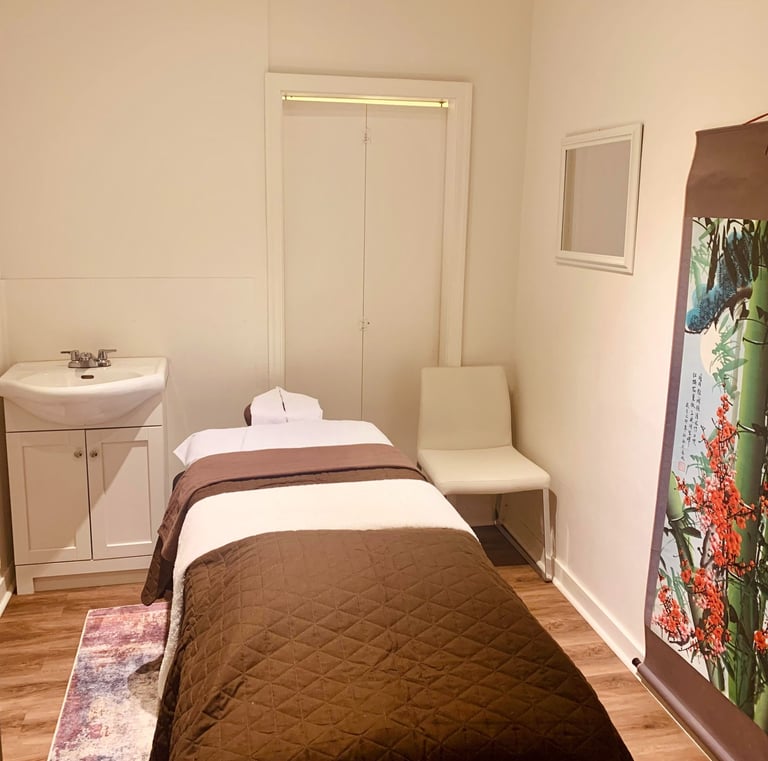
Clients feeling calm and relaxed. Your treatment commence with a brief interview to better understand your needs and goal of the session. This is followed by an assessment to help formulate your treatment plan. After the treatment you will receive homecare tips to support you at home.


Home care tips to support your rehabilitation
Assessment to help get to the root of your pain or tightness
Therapeutic massage for your specific condition
Caring therapist, ensuring your comfort
Treatment goal, to reduce your chronic pain
Tailored treatment plan for you
Calm Space


The Techniques used was effective for my needs. After the session, I felt my pain has reduced.
Q T


Vancouver


K. Z
Vancouver
★★★★★
★★★★★
I had a great experience with my PMT Marcia Graham. She’s really good! Recommended👍
GOOGLE REVIEWS
★★★★★
Frequent Questions and Answers:
What is a Registered Massage Therapist (RMT)?
A Registered Massage Therapist (RMT) is a regulated healthcare professional trained to assess and treat muscles, joints, and soft tissues using therapeutic massage techniques. RMTs complete extensive education and are licensed to provide clinical massage therapy treatments.
What does massage therapy help with?
Massage therapy can help relieve pain, reduce muscle tension, improve circulation, and support recovery from injuries. Many people seek massage therapy for back pain, neck pain, stress relief, and sports injuries.
What conditions can a massage therapist treat?
Massage therapy can help with many conditions including:
Back and neck pain
Shoulder tension
Sports injuries
Sciatica
Headaches and migraines
Stress and anxiety
Muscle strains and sprains
Postural problems
Chronic pain
Pregnancy-related discomfort
Do I need a doctor’s referral for massage therapy?
Most patients do not need a referral to see a Registered Massage Therapist. However, some insurance plans require a doctor’s note for reimbursement.
Is massage therapy covered by insurance?
Many extended health insurance plans cover treatments provided by a Registered Massage Therapist. Patients usually receive a receipt that can be submitted to their insurance provider.
What happens during my first massage therapy appointment?
Your first visit usually includes a health history review, assessment of your symptoms, discussion of treatment goals, and a personalized massage therapy treatment.
How long is a massage therapy session?
Massage therapy sessions typically last:
45 minutes
60 minutes
90 minutes
How often should I get massage therapy?
Treatment frequency depends on your condition and goals. Some patients benefit from weekly sessions, while others schedule appointments every 2–4 weeks for maintenance and wellness.
Is massage therapy painful?
Massage therapy should not be painful. Some deep tissue work may cause mild discomfort, but your therapist will adjust pressure to ensure your comfort.
What should I wear to a massage therapy appointment?
Wear comfortable clothing. You will be given privacy to undress to your comfort level, and professional draping will always be used during treatment.
What types of massage therapy do RMTs provide?
Registered Massage Therapists may offer several techniques, including:
Deep tissue massage
Swedish massage
Trigger point therapy
Myofascial release
Sports massage
Prenatal massage
Can massage therapy help with back pain?
Yes. Massage therapy is commonly used to treat lower back pain by reducing muscle tension, improving circulation, and increasing mobility.
Can massage therapy help with neck and shoulder pain?
Massage therapy can relieve tight muscles in the neck and shoulders, often caused by poor posture, desk work, or stress.
Is massage therapy good for stress relief?
Massage therapy helps activate the body's relaxation response, reduce stress hormones, and promote overall mental and physical relaxation.
Can massage therapy help headaches or migraines?
Many headaches are caused by muscle tension in the neck and shoulders. Massage therapy can help reduce the frequency and intensity of tension headaches.
What is deep tissue massage?
Deep tissue massage targets deeper layers of muscles and connective tissue to release chronic tension and improve mobility.
What is sports massage?
Sports massage focuses on preventing and treating injuries related to physical activity. It helps athletes recover faster and improve performance.
Can massage therapy help with sciatica?
Massage therapy may help reduce pressure on the sciatic nerve by relaxing surrounding muscles and improving flexibility.
Is massage therapy safe during pregnancy?
Prenatal massage performed by a trained Registered Massage Therapist can safely relieve back pain, hip pain, and swelling during pregnancy.
Can massage therapy improve posture?
Yes. Massage therapy can release tight muscles and help correct muscular imbalances that contribute to poor posture.
Are there any side effects after massage therapy?
Some people experience mild soreness or fatigue after treatment, especially after deep tissue work. These effects usually disappear within 24 hours.
Should I drink water after a massage?
Yes. Drinking water after massage therapy helps support circulation and overall recovery.
When should I avoid massage therapy?
Massage therapy may not be recommended if you have:
Fever or infection
Open wounds
Severe inflammation
Certain medical conditions
Always inform your therapist about your health history.
Can massage therapy help with muscle recovery?
Massage therapy helps improve circulation and reduce muscle soreness, making it helpful after exercise or physical activity.
What is therapeutic massage?
Therapeutic massage focuses on treating specific health conditions, injuries, or chronic pain rather than just relaxation.
How do I know if I need massage therapy?
If you experience muscle pain, stiffness, stress, headaches, or limited mobility, massage therapy may help improve your symptoms.
How do I prepare for a massage therapy appointment?
Try to arrive a few minutes early, stay hydrated, and avoid eating a heavy meal immediately before your appointment.
Can massage therapy improve sleep?
Massage therapy helps relax the nervous system, which can lead to better sleep quality.
Is massage therapy suitable for office workers?
Yes. Many office workers benefit from massage therapy because it helps relieve tension caused by sitting, computer work, and poor posture.
How do I book a massage therapy appointment?
You can book a massage therapy appointment by booking online through the website.
© 2026. Spa Placid Wellness. All rights reserved.
About Us
Spa Placid Wellness specialise in providing professional Therapeutic Massage by Registered Massage Therapist (RMTs). Our focus is on promoting holistic health, pain management and stress reduction through evidence - based massage therapy techniques to enhance physical mental and emotional well- being .
Get in touch
Address
Contacts
(604) 659 9439
hello@spaplacid.ca
Hours
Tuesday - Saturday 8:00am - 7:30pm